Make Every Dollar Count: Optimize Startup Marketing with HubSpot Analytics
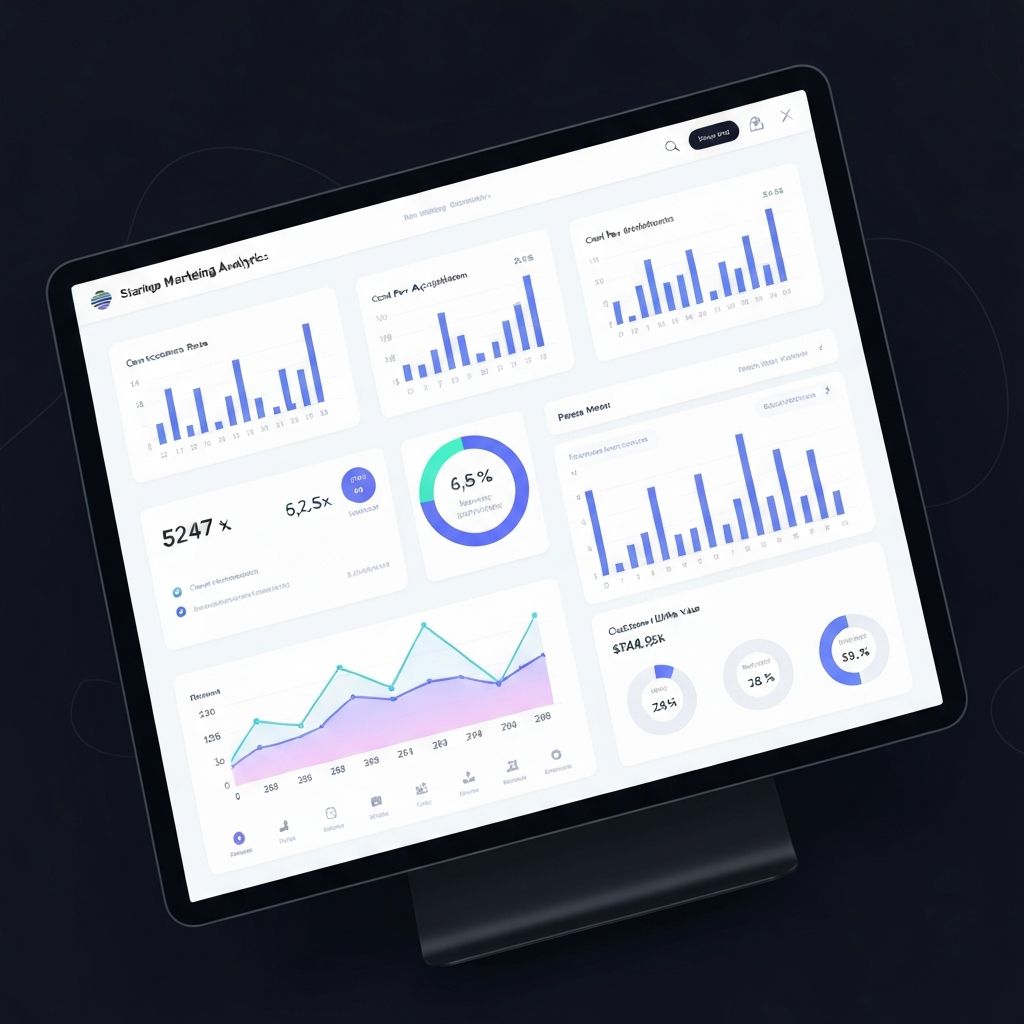
Make Every Dollar Count: Optimize Startup Marketing with HubSpot Analytics
For startups, the margin for error is razor-thin. Budgets are lean, resources are limited, and every marketing dollar needs to deliver measurable results.
The Startup Marketing Challenge
Startups face unique challenges:
- Limited marketing budgets
- Need for rapid growth
- Pressure to show ROI
- Resource constraints
- Market uncertainty
Why Analytics Matter for Startups
Without proper analytics, you're flying blind:
- 73% of startups fail due to premature scaling
- 42% fail because there's no market need
- 29% run out of cash
Analytics help you avoid these pitfalls by providing data-driven insights.
HubSpot Analytics: Your Startup's Secret Weapon
HubSpot's analytics suite provides everything startups need:
Traffic Analytics
- Source attribution
- Content performance
- User behavior tracking
- Conversion paths
Lead Analytics
- Lead source tracking
- Conversion rates
- Lead quality scoring
- Pipeline velocity
Campaign Analytics
- Email performance
- Social media ROI
- Ad campaign tracking
- Content engagement
Revenue Analytics
- Customer acquisition cost (CAC)
- Lifetime value (LTV)
- Revenue attribution
- Growth metrics
Key Metrics Every Startup Should Track
1. Customer Acquisition Cost (CAC)
Calculate how much it costs to acquire each customer:
- Total marketing spend ÷ Number of new customers
- Track by channel for optimization
- Compare to industry benchmarks
2. Lifetime Value (LTV)
Understand the total value of each customer:
- Average purchase value × Purchase frequency × Customer lifespan
- Aim for LTV:CAC ratio of 3:1 or higher
3. Monthly Recurring Revenue (MRR)
For SaaS startups, track predictable revenue:
- New MRR + Expansion MRR - Churned MRR
- Monitor growth rate month-over-month
4. Conversion Rates
Track conversions at every stage:
- Website visitor to lead
- Lead to opportunity
- Opportunity to customer
- Identify bottlenecks and optimize
Setting Up Your Analytics Dashboard
Step 1: Define Your Goals
- Revenue targets
- Growth objectives
- Key milestones
- Success metrics
Step 2: Configure Tracking
- Set up conversion tracking
- Implement UTM parameters
- Configure goal tracking
- Enable attribution reporting
Step 3: Create Custom Dashboards
- Executive summary dashboard
- Marketing performance dashboard
- Sales pipeline dashboard
- Customer success dashboard
Step 4: Set Up Automated Reports
- Weekly performance summaries
- Monthly growth reports
- Quarterly business reviews
- Real-time alerts
Optimization Strategies
A/B Testing
Test everything:
- Email subject lines
- Landing page headlines
- Call-to-action buttons
- Ad copy and images
Channel Optimization
Focus on what works:
- Identify top-performing channels
- Reallocate budget to winners
- Eliminate underperforming channels
- Test new opportunities
Content Performance
Create content that converts:
- Track content engagement
- Identify top-performing topics
- Optimize for search engines
- Repurpose successful content
Lead Nurturing
Maximize lead value:
- Segment leads by behavior
- Create targeted campaigns
- Automate follow-up sequences
- Score leads for sales readiness
Case Study: TechStart's Success
TechStart, a B2B SaaS startup, used HubSpot Analytics to:
Before HubSpot:
- CAC: $500
- LTV: $1,200
- Conversion rate: 2%
- Monthly growth: 5%
After 6 months with HubSpot:
- CAC: $300 (40% reduction)
- LTV: $2,400 (100% increase)
- Conversion rate: 4.5% (125% increase)
- Monthly growth: 15% (200% increase)
Key strategies:
- Identified LinkedIn as top-performing channel
- Optimized landing pages based on user behavior
- Implemented lead scoring for better sales focus
- Created targeted email campaigns for different segments
Common Mistakes to Avoid
1. Vanity Metrics
Don't focus on metrics that don't drive business results:
- Page views without conversions
- Social media followers without engagement
- Email opens without clicks
2. Analysis Paralysis
Don't get overwhelmed by data:
- Focus on 3-5 key metrics
- Make decisions based on trends, not daily fluctuations
- Take action on insights
3. Ignoring Attribution
Understand the full customer journey:
- Track multi-touch attribution
- Consider offline interactions
- Account for long sales cycles
4. Not Acting on Insights
Data without action is worthless:
- Set up regular review cycles
- Create action plans based on findings
- Test and iterate continuously
Advanced Analytics Techniques
Cohort Analysis
Track customer behavior over time:
- Retention rates by acquisition month
- Revenue growth by customer segment
- Product usage patterns
Predictive Analytics
Use data to forecast future performance:
- Lead scoring models
- Churn prediction
- Revenue forecasting
Tools and Integrations
Enhance HubSpot with additional tools:
- Google Analytics for web insights
- Hotjar for user behavior
- Mixpanel for product analytics
- Salesforce for advanced CRM
Building a Data-Driven Culture
Team Training
Ensure everyone understands analytics:
- Regular training sessions
- Dashboard walkthroughs
- Metric definitions
- Best practices sharing
Regular Reviews
Make analytics a habit:
- Weekly team reviews
- Monthly deep dives
- Quarterly strategy sessions
- Annual planning based on data
Experimentation Mindset
Encourage testing and learning:
- Hypothesis-driven experiments
- Fail fast and iterate
- Document learnings
- Share insights across teams
Conclusion
For startups, HubSpot Analytics isn't just a nice-to-have—it's essential for survival and growth. By tracking the right metrics, optimizing based on data, and building a culture of experimentation, you can maximize every marketing dollar and accelerate your path to success.
Remember: the goal isn't to collect data, but to use it to make better decisions and drive business growth.
Ready to supercharge your startup's marketing with HubSpot Analytics? Let's discuss how we can help you set up the perfect analytics framework for your business.
Related Topics
About Yaman Kaushik
Yaman Kaushik is a contributor at HubsPlanet, sharing insights on HubSpot best practices, CRM strategies, and marketing automation to help businesses grow smarter.
Table of Contents
Stay Updated
Get the latest HubSpot tips and strategies delivered to your inbox.
Need Expert Guidance?
Get personalized recommendations from our certified HubSpot consultants.
Reading Progress
Estimated 3 minutes remaining