Integrating HubSpot Content Hub with CRM for Seamless Growth
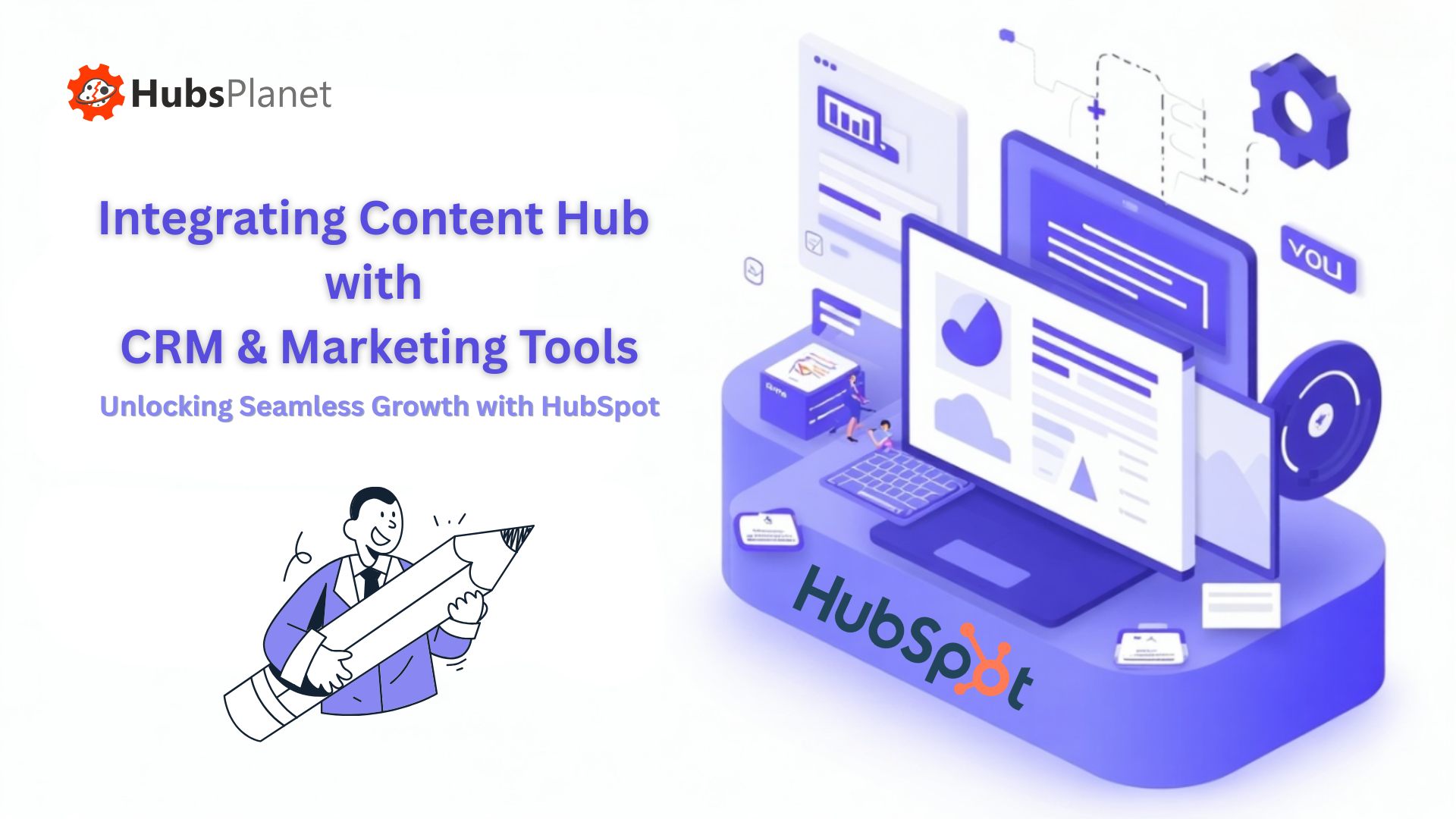
Unlocking Seamless Growth with HubSpot
In today’s digital-first world, the ability to deliver personalized, data-driven experiences across the entire customer journey is a competitive necessity. HubSpot’s Content Hub, when tightly integrated with its CRM and marketing tools, empowers businesses to create, manage, and optimize content with unprecedented efficiency and impact. This integration not only streamlines operations but also unlocks the full potential of inbound marketing, sales enablement, and customer relationship management.
Why Integrate Content Hub with CRM and Marketing Tools?
At its core, integration bridges the gap between content creation and customer data. When your content management system (CMS) is connected to your CRM, every blog post, landing page, or campaign can leverage real-time insights about your audience, allowing you to deliver the right message to the right person at the right time. This synergy transforms static content into dynamic experiences that drive engagement, conversions, and long-term loyalty.
How HubSpot’s Content Hub and CRM Work Together
Unified Data for Smarter Content
HubSpot’s Content Hub is built on the same platform as its CRM, ensuring that all customer interactions—website visits, form submissions, email opens, and more—are tracked and stored in a single, unified database. This means marketers and sales teams have a 360-degree view of each contact, enabling:
- Personalized Content: Use CRM data to tailor website pages, emails, and CTAs based on a visitor’s lifecycle stage, interests, or previous interactions.
- Segmentation and Targeting: Segment your audience using CRM properties and deliver targeted content that resonates with each group.
- Closed-Loop Reporting: Attribute leads and revenue directly to specific content assets, campaigns, or channels, helping you measure true ROI.
Smart Content and Personalization Tokens
With HubSpot, you can easily insert personalization tokens and smart content modules into your website or emails. These dynamically adjust messaging, images, or offers based on CRM data, such as a contact’s name, company, industry, or recent activity, creating a tailored experience for every visitor.
Automated Lead Handling and Nurturing
When a lead interacts with your content (downloads an eBook, fills out a form, etc.), their information is automatically captured in the CRM. HubSpot’s automation tools can then:
- Assign leads to the right sales reps
- Trigger personalized follow-up emails
- Score and segment leads based on engagement
- Update CRM records in real time
This seamless flow ensures no opportunity is missed and every lead receives relevant, timely communication.
Integrating with Other Marketing Tools
HubSpot’s ecosystem is designed for extensibility. You can connect Content Hub and CRM with a wide range of marketing tools, such as email platforms, social media schedulers, ad networks, and analytics solutions, through native integrations, APIs, or third-party connectors.
Key integration capabilities include:
- Marketing Automation: Sync contacts and engagement data with marketing automation workflows for lead nurturing, scoring, and campaign management.
- Analytics and Reporting: Aggregate data from all channels to build comprehensive dashboards that track performance across content, email, social, and paid campaigns.
- Sales Enablement: Equip your sales team with real-time insights into prospect activity, content engagement, and deal progression, all within the CRM interface.
Best Practices for a Successful Integration
Define Your Data Strategy
Identify which data points are critical for segmentation, personalization, and reporting. Map out how information will flow between Content Hub, CRM, and other tools to avoid silos and duplication.
Leverage HubSpot’s drag-and-drop editors, workflow templates, and smart content modules to accelerate content creation and automate repetitive marketing tasks.
Monitor integration performance and user journeys. Use HubSpot’s analytics to identify bottlenecks, optimize content, and refine your segmentation and nurturing strategies.
Maintain clean, accurate CRM records by setting up deduplication rules and regular data hygiene routines. Ensure your integrations comply with data privacy regulations.
Real-World Impact: What Integration Delivers
- Enhanced Personalization: Deliver content experiences that adapt in real time to each visitor’s profile and behavior, increasing engagement and conversion rates.
- Streamlined Operations: Reduce manual data entry and eliminate silos, freeing up your team to focus on strategy and creativity.
- Actionable Insights: Attribute revenue to specific content and campaigns, enabling smarter decision-making and better ROI tracking.
- Scalable Growth: As your business expands, integrated systems ensure you can manage more leads, customers, and content without losing efficiency or visibility.
Conclusion
Integrating HubSpot’s Content Hub with CRM and marketing tools is more than a technical upgrade; it’s a strategic transformation. By unifying content, data, and automation, you empower your teams to deliver personalized, measurable, and scalable experiences at every stage of the customer journey. Whether you’re a marketer, sales leader, or business owner, this integration is the key to unlocking sustainable growth and staying ahead in the digital age.
Related Topics
About Aman Shukla
Aman Shukla is a contributor at HubsPlanet, sharing insights on HubSpot best practices, CRM strategies, and marketing automation to help businesses grow smarter.
Table of Contents
Stay Updated
Get the latest HubSpot tips and strategies delivered to your inbox.
Need Expert Guidance?
Get personalized recommendations from our certified HubSpot consultants.
Reading Progress
Estimated 3 minutes remaining