Advanced Analytics And Reporting: Turning Data Into Actionable Insights

Unleashing the power of advanced analytics can transform your SaaS business, turning raw data into actionable insights that drive growth and innovation.
Comprehensive Analytics Dashboards
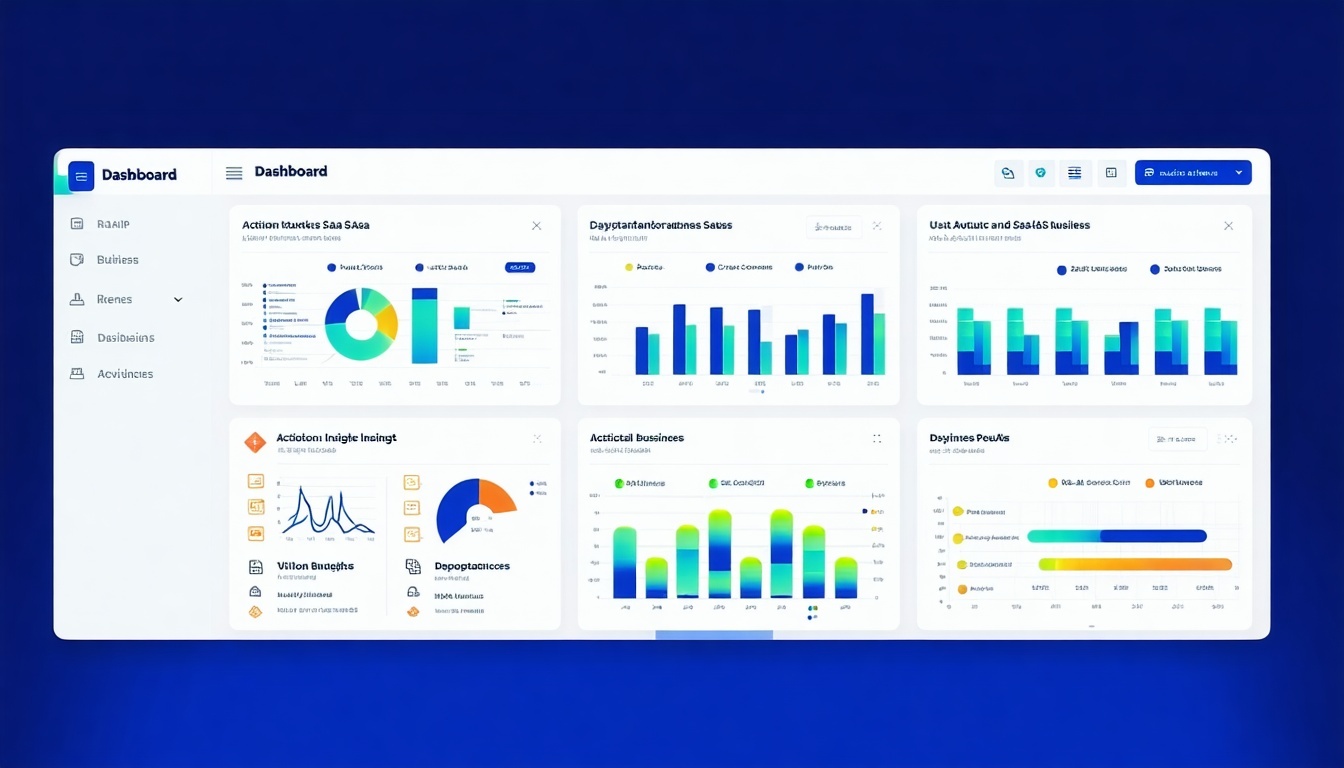
Comprehensive analytics dashboards are essential for any SaaS business aiming to leverage data effectively. These dashboards provide a centralized platform where key metrics and performance indicators are visualized, enabling decision-makers to quickly grasp the state of their operations. By integrating various data sources, these dashboards offer a holistic view of business performance, promoting data-driven decision-making.
Moreover, the customization capabilities of these dashboards allow businesses to tailor the displayed information to their specific needs. This means that whether you are tracking customer engagement metrics, financial performance, or operational efficiency, your dashboard can be configured to highlight the most relevant data points, ensuring that critical insights are always at your fingertips.
Key Components of an Effective Analytics Strategy
Developing an effective analytics strategy involves several key components. Firstly, it is crucial to establish clear objectives that align with your business goals. These objectives will guide the selection of metrics and the design of analytics processes. Secondly, data quality and integrity must be maintained to ensure that the insights derived are reliable and actionable.
Another vital component is the integration of various data sources. By consolidating data from multiple platforms, businesses can gain a comprehensive understanding of their operations. Additionally, investing in the right tools and technologies, such as advanced analytics software and data visualization tools, can significantly enhance the effectiveness of your analytics strategy. Finally, fostering a data-driven culture within your organization ensures that insights are consistently utilized to drive decision-making and innovation.
Turning Data into Actionable Insights: Best Practices
To transform data into actionable insights, several best practices should be followed. Event tracking for deeper insights is one such practice. By meticulously tracking user interactions and events, businesses can gain a granular understanding of customer behavior, preferences, and pain points. This information can then be used to optimize user experiences and drive engagement.
Attribution reporting is another critical practice. This involves measuring the effectiveness of different marketing channels and campaigns, enabling businesses to allocate resources more efficiently. By understanding which channels generate the most conversions, businesses can focus their efforts and budget on the most impactful strategies.
Custom reporting and segmentation also play a pivotal role. By creating tailored reports and segmenting data based on various criteria, businesses can uncover hidden trends and patterns. This level of customization allows for more precise and relevant insights, ultimately leading to better decision-making and improved business outcomes.
From Data to Actionable Insights
The journey from raw data to actionable insights involves several critical steps. Initially, data must be collected and aggregated from various sources. This raw data is then cleaned and processed to ensure accuracy and consistency. Advanced analytics tools are employed to analyze the data, identifying trends, patterns, and correlations.
Once the analysis is complete, the insights derived must be communicated effectively. Data visualization plays a crucial role in this process, as it translates complex data sets into intuitive graphs and charts. These visual representations make it easier for stakeholders to understand and act upon the insights. Finally, these insights should be integrated into the decision-making process, ensuring that data-driven strategies are implemented to drive growth and innovation.
Challenges and Solutions in Advanced Analytics Implementation
Implementing advanced analytics in a SaaS business comes with its own set of challenges. One common challenge is data silos, where data is isolated within different departments or systems. This can be addressed by implementing data integration solutions that consolidate data from various sources into a unified platform.
Another challenge is ensuring data quality and integrity. Inaccurate or incomplete data can lead to misleading insights. To overcome this, businesses should establish robust data governance practices and employ data cleaning and validation tools.
Additionally, the complexity of advanced analytics tools can be a barrier. Providing comprehensive training and support to employees can help them leverage these tools effectively. Finally, fostering a data-driven culture within the organization is essential. This involves encouraging employees at all levels to utilize data in their decision-making processes, ensuring that insights are consistently turned into actionable strategies.
Future Trends in Analytics and Reporting for SaaS
The future of analytics and reporting in the SaaS industry is poised for significant advancements. One emerging trend is the increased adoption of artificial intelligence (AI) and machine learning (ML). These technologies enable businesses to perform more sophisticated analyses, uncovering deeper insights and making more accurate predictions.
Another trend is the growing importance of real-time analytics. As businesses strive to become more agile, the ability to analyze data in real-time and make immediate decisions is becoming increasingly valuable. This requires advanced analytics platforms capable of processing large volumes of data quickly and efficiently.
Furthermore, the focus on data privacy and security is expected to intensify. As regulatory requirements evolve, businesses must ensure that their analytics practices comply with data protection laws. Implementing robust security measures and maintaining transparency with customers regarding data usage will be critical in building trust and ensuring compliance.
Conclusion
Advanced analytics and reporting have the potential to transform SaaS businesses by turning raw data into actionable insights. By implementing comprehensive analytics dashboards, developing effective strategies, and following best practices, businesses can harness the power of data to drive growth and innovation.
Despite the challenges involved, the future of analytics in the SaaS industry looks promising. With the continued advancement of AI, real-time analytics, and a heightened focus on data privacy, businesses are well-positioned to leverage these trends and stay ahead of the curve. By embracing a data-driven culture and investing in the right tools and technologies, SaaS companies can unlock new opportunities and achieve sustained success.
Related Topics
No tags available for this article.
About HubSpot System
HubSpot System is a contributor at HubsPlanet, sharing insights on HubSpot best practices, CRM strategies, and marketing automation to help businesses grow smarter.
Table of Contents
Stay Updated
Get the latest HubSpot tips and strategies delivered to your inbox.
Need Expert Guidance?
Get personalized recommendations from our certified HubSpot consultants.
Reading Progress
Estimated 3 minutes remaining